Moving to Cookeville, TN: A Guide for Families Considering the Upper Cumberland
If you’re thinking about moving to Tennessee, chances are you’ve already heard plenty about Nashville, Knoxville, and Chattanooga. But tucked between some of the state’s larger cities is another part of Tennessee that more families are beginning to consider: Cookeville and the surrounding Upper Cumberland.
Cookeville sits in Putnam County in Middle Tennessee, roughly 80 miles east of Nashville and 100 miles west of Knoxville. While it has the feel of a smaller Tennessee city, Cookeville serves as a regional center for shopping, dining, education, healthcare, employment, and recreation for communities throughout the Upper Cumberland.
For families considering a move, that combination can be appealing. You can live close to restaurants, healthcare, schools, parks, and everyday conveniences while still having access to smaller communities, rural property, acreage, lakes, waterfalls, and places where building a home with a little more room may be possible.
But moving to a new state is a big decision, and choosing where to put down roots deserves more than a highlight reel.
Here’s what you should know if you’re considering moving to Cookeville, Tennessee, or somewhere nearby in the Upper Cumberland.
Where Is Cookeville, Tennessee?
Cookeville is the county seat of Putnam County and sits near the intersection of Interstate 40 and Highway 111.
Its location is one of the things that makes it unique.
Nashville is roughly 80 miles to the west, Knoxville is about 100 miles to the east, and Chattanooga is approximately 90 miles to the south. At the same time, Cookeville functions as an economic and service hub for much of the Upper Cumberland region.
That means living here doesn’t necessarily feel like living in a major metropolitan area, but residents don’t have to leave town for every everyday need, either.
Cookeville is home to Tennessee Tech University, Cookeville Regional Medical Center, restaurants, shopping, local businesses, parks, cultural activities, and a growing business community.
Beyond Cookeville itself are communities such as Algood, Baxter, Monterey, Sparta, Livingston, and other towns and rural areas throughout the Upper Cumberland.
For someone relocating from a larger city or another state, it can offer an interesting middle ground: modern conveniences without having to live in one of Tennessee’s largest metro areas.
Is Cookeville, Tennessee a Big City?
Cookeville isn’t a large Tennessee city like Nashville or Knoxville. It’s a smaller city in the Upper Cumberland region that serves as a regional hub for shopping, healthcare, education, dining and business. For people moving from a larger metropolitan area, Cookeville can offer access to everyday amenities while still being close to rural communities and acreage.
What’s It Like Living in Cookeville, TN?
One of the first things to understand about Cookeville is that the city serves a much larger area than its city limits might suggest.
The City of Cookeville describes itself as a regional center for employment, healthcare, education, shopping, dining, and recreational and cultural activities for approximately 200,000 people living throughout the surrounding counties.
That regional role affects what daily life looks like.
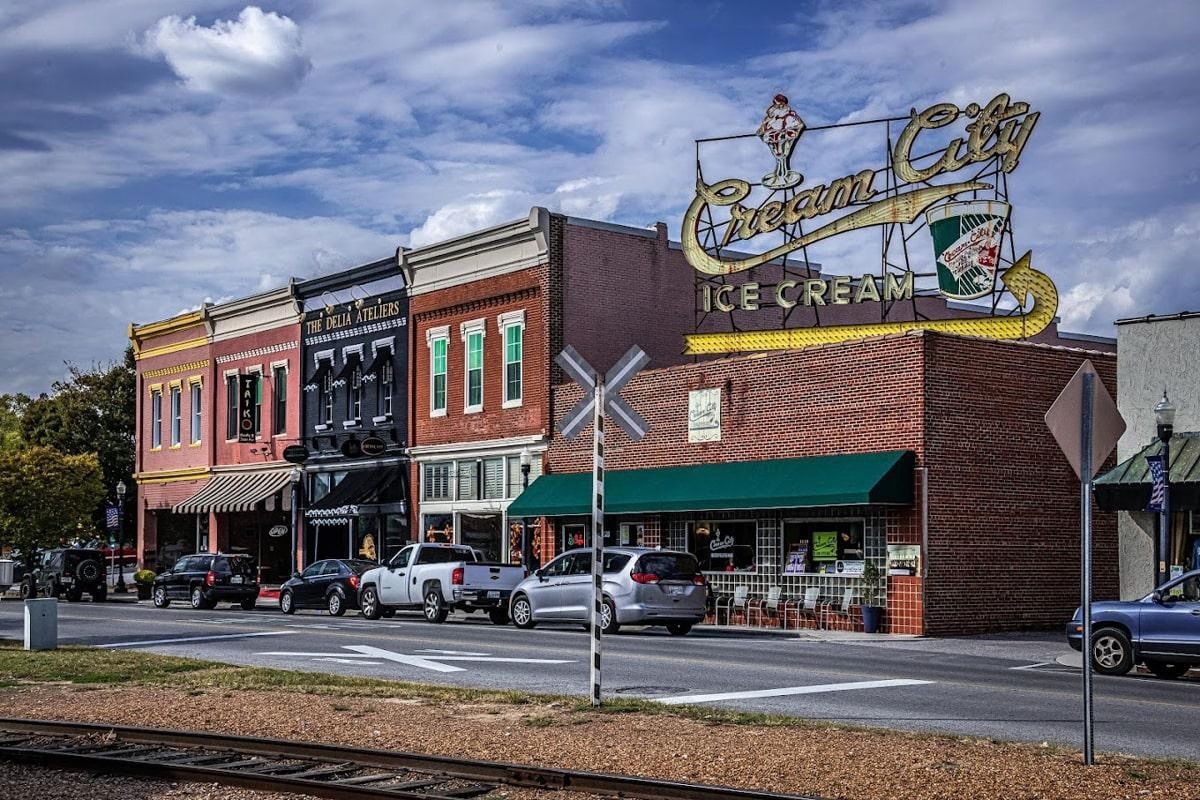
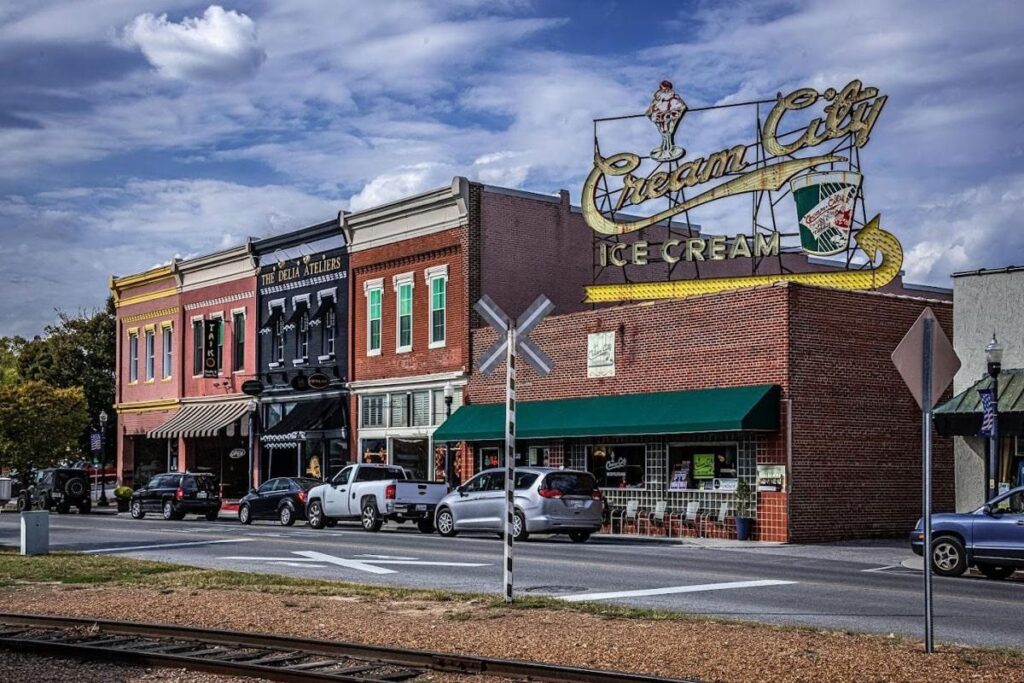
You can spend Saturday morning downtown, take the kids to a local park, attend an event at Tennessee Tech, grab dinner in town, and still be a relatively short drive from farmland, waterfalls, lakes, trails, and smaller communities.
Cookeville’s city park system includes 10 parks, and the city’s largest, Cane Creek Park, includes a 56-acre lake along with walking areas, fishing, playgrounds, disc golf, sports facilities, and other recreational amenities.
For families who like the outdoors, the surrounding Upper Cumberland adds another layer. This part of Tennessee is known for its natural beauty, with waterfalls, lakes, state parks, and outdoor recreation woven throughout the region.
It’s one of the reasons “moving to Cookeville” doesn’t necessarily mean choosing between town life and country life. Depending on where you settle, you may be able to have access to both.
What Are the Pros and Cons of Moving to Cookeville, TN?
There isn’t one Tennessee town that’s right for every family. Cookeville has plenty to offer, but there are practical considerations worth understanding before making a move.
Potential advantages of living in Cookeville
A smaller-city lifestyle with regional amenities
Cookeville isn’t Nashville, but it isn’t an isolated rural town either. Healthcare, higher education, shopping, dining, parks, entertainment, and employment are available locally.
Access to outdoor recreation
The Upper Cumberland is surrounded by places to get outside. Cane Creek Park is right in Cookeville, while waterfalls, lakes, hiking, fishing, kayaking, camping, and other outdoor activities can be found throughout the surrounding region.
Central location
Cookeville’s location along I-40 makes both Nashville and Knoxville accessible for day trips, flights, specialized appointments, entertainment, or other big-city needs.
No Tennessee state income tax on earned income
Tennessee does not impose a state individual income tax on wages. The state’s former Hall income tax was fully repealed beginning in 2021.
For someone relocating from a state with an individual income tax, that’s an important financial difference to understand.
Options beyond a traditional subdivision
Families who want more space don’t necessarily have to limit their search to established Cookeville neighborhoods. The surrounding area includes smaller communities and rural properties that may appeal to people interested in buying land or building a custom home.
Things to consider before moving
You’ll probably want a vehicle
Cookeville is not a major walkable metropolitan area with extensive public transportation. Where you choose to live can have a big impact on how much driving becomes part of your daily routine.
Big-city amenities aren’t right outside your door
If you regularly want professional sports, major concert venues, extensive public transportation, or the scale of shopping and entertainment found in Nashville, you’ll still be traveling for some of those experiences.
Housing and land costs aren’t static
Don’t assume that moving to a smaller Tennessee city automatically means every home or piece of land will be inexpensive. Putnam County has been growing, and housing demand, construction costs, interest rates, land characteristics, and location all affect the overall cost of buying or building.
Rural property requires additional homework
A beautiful piece of Tennessee land isn’t automatically ready for a house. Road access, utilities, septic feasibility, restrictions, grading, drainage, site preparation, and the characteristics of the property all matter.
If your dream is to move to Tennessee and build, it’s worth involving experienced local professionals before buying land rather than after.
Is Cookeville, TN a Good Place to Raise a Family?
That’s ultimately a personal decision because every family prioritizes different things.
For some families, school options are the first consideration. Others care most about outdoor space, proximity to healthcare, commute time, activities for children, affordability, access to extended family, or whether they can find enough land to build the home they want.
Cookeville offers a combination of educational opportunities, parks and recreation, healthcare access, community events, and proximity to the outdoors that can make it worth considering for young families.
The city maintains multiple recreational facilities and parks, including Cane Creek Park, Cane Creek Recreation Center, Dogwood Park, playgrounds, athletic facilities, and the Cookeville Performing Arts Center. Local programming includes community classes, youth camps, performances, concerts, sports, and other activities throughout the year.
Families considering the area should still research the specific schools, commute, neighborhood, childcare options, and activities that matter to them before deciding where to live.
Schools and Educational Opportunities in Cookeville
Families moving with school-age children will find public schools throughout Cookeville and Putnam County, along with private and alternative educational options in the broader area.
Because school zones and offerings can change, families should verify current information directly with the school system before purchasing a home or property based on a particular school.
Higher education is one of Cookeville’s most recognizable features.
Tennessee Technological University—better known locally as Tennessee Tech—is located in Cookeville. As of fall 2026, the university reported 10,773 students, with undergraduate and graduate programs spanning engineering, computer science, nursing, business, education, sciences, and other fields.
The university adds another dimension to the area, bringing educational opportunities, employment, athletics, cultural events, and students and faculty from outside the region into the community.
Healthcare in Cookeville
Access to healthcare is another important consideration when relocating, particularly for families who don’t want to travel to Nashville or Knoxville for routine medical needs.
Cookeville is home to Cookeville Regional Medical Center, a city-owned regional referral center serving the Upper Cumberland. CRMC currently identifies itself as a 309-bed regional referral center.
The presence of a regional medical center, along with physician practices and other healthcare providers throughout Cookeville, is one of the reasons the city serves as a hub for surrounding Upper Cumberland communities.
Families with specific medical needs should, of course, research whether the specialists and services they require are available locally before relocating.
Jobs and Major Employers in Cookeville
If you’re moving without a remote job or established business, employment will likely be part of your decision.
Cookeville’s economy includes healthcare, higher education, manufacturing, transportation, professional services, retail, government, and small businesses.
Tennessee Tech University and Cookeville Regional Medical Center are two of the area’s major institutions, and the local business community also includes employers in manufacturing, transportation, banking, healthcare, construction, and other industries.
The Cookeville-Putnam County Chamber’s current economic development work extends beyond Cookeville into Putnam, Jackson, Overton, and White counties through the Highlands Economic Partnership.
Putnam County has also experienced continued development. The Chamber reported more than $134 million in private-sector capital investment and more than 500 new jobs tied to expansions and recruitment activity in 2025.
If employment is driving your move, research opportunities within your particular industry rather than assuming the local job market will mirror Nashville or another larger metro.
Cost of Living, Real Estate, and Taxes in Cookeville
Cost is one of the biggest questions for almost anyone considering a move to Tennessee.
Rather than relying on broad claims that Cookeville is simply “cheap” or “affordable,” it’s more useful to look at the individual pieces of your budget.
According to the U.S. Census Bureau’s 2020–2024 estimates, the median value of owner-occupied housing units in Cookeville was $305,400. The same Census data reports a mean commute time of 18.9 minutes for workers age 16 and older.
Those numbers provide context, but they aren’t the same as today’s median home sale price. Real estate conditions change, and the cost of a property can vary substantially depending on location, acreage, home size, age, condition, and other factors.
Taxes are another consideration.
Tennessee has no state individual income tax on earned income.
Property taxes, however, still apply. Tennessee residential property is assessed at 25% of appraised value for property-tax purposes, with local tax rates established by county commissions and municipal governments.
If you’re comparing the overall cost of moving from another state, look at the complete picture: housing, property taxes, insurance, transportation, utilities, wages, and the type of property you hope to own.
What Are the Best Neighborhoods and Areas in Cookeville?
“What’s the best neighborhood in Cookeville?” is one of the most common questions people ask when considering a move.
The problem is that there isn’t one answer.
The best location for a family who wants to be close to restaurants, schools, and activities may be completely different from the best location for someone who wants acreage, privacy, a workshop, or enough land to build a custom home.
Start by asking what you want everyday life to look like.
Do you want to be close to downtown?
Would you rather have more land?
How far are you willing to drive for groceries, school, work, or activities?
Do you want an established home or a property where you can build?
Are you comfortable maintaining acreage?
Do you want neighbors nearby, or would you rather have more privacy?
Cookeville itself offers established neighborhoods and areas closer to the city’s core, while Putnam County also includes Algood, Baxter, and Monterey. Outside Putnam County, nearby Upper Cumberland communities offer still more choices.
Instead of searching only for the “best neighborhoods,” look for the area that best matches your family’s priorities.
Beyond Cookeville: Exploring the Upper Cumberland
One of the biggest mistakes someone can make when researching a move to Cookeville is assuming the city limits are their only option.
Cookeville is the regional hub, but the Upper Cumberland encompasses a much larger part of Tennessee.
If you’re looking for land, more privacy, a smaller community, or a different pace of life, it may make sense to expand your search.
Sparta and White County, for example, are southwest of Cookeville and may appeal to families who want access to Cookeville while living outside the city itself.
Other Upper Cumberland communities offer their own mix of small-town living, rural land, recreation, and access to nearby cities.
This is particularly important if you’re planning to build. The perfect location may not be a house that’s already listed for sale. It may be a piece of land in a surrounding community that gives you room to create the home and lifestyle you’re actually moving to Tennessee for.
Things to Do Around Cookeville and the Upper Cumberland
The natural beauty surrounding Cookeville is one of the region’s defining features.
You don’t have to go far to find places to hike, paddle, fish, picnic, camp, or simply spend an afternoon outside.
Cane Creek Park
Located in Cookeville, Cane Creek Park includes a 56-acre lake, paved trails, fishing areas, playgrounds, sports facilities, disc golf, picnic areas, and seasonal paddleboat, kayak, and canoe rentals.
It’s the kind of place that can become part of normal family life rather than something reserved for vacation.
Burgess Falls State Park
Burgess Falls is one of the Upper Cumberland’s best-known natural attractions and offers opportunities to experience the Falling Water River and the park’s waterfalls. Tennessee State Parks also offers scheduled paddling programs that approach the base of Burgess Falls from the water.
Lakes and outdoor recreation
The broader Upper Cumberland is also known for its lakes.
Center Hill Lake and Dale Hollow Lake are among the regional destinations for boating, fishing, swimming, camping, and other outdoor recreation. Dale Hollow, north of Cookeville, is surrounded by marinas, recreation areas, parks, and small communities.
Closer to home, Cookeville’s parks, downtown events, community programs, performances, and recreation provide plenty to do without leaving town.
That combination—everyday amenities in Cookeville with outdoor recreation throughout the surrounding region—is a big part of understanding what life in the Upper Cumberland can look like.
Should You Buy or Build When Moving to Cookeville?
Once you’ve decided that the Upper Cumberland may be right for you, another question often follows:
Should we buy an existing home or build one?
There’s no universal right answer.
Buying an existing home can make sense when timing is your priority. You may be able to move more quickly, know the finished cost earlier in the process, and avoid making hundreds of construction decisions.
Building a custom home offers something different: the opportunity to create a home around your family from the beginning.
Instead of adapting to someone else’s floor plan, you can think about the square footage you actually need, how rooms connect, where storage belongs, ceiling heights, outdoor living, future needs, and how your home should sit on the property.
For families moving to Tennessee because they want a different kind of lifestyle—not simply a different ZIP code—that flexibility can be a major reason to consider building.
Buying Land to Build a Home in Tennessee
If your Tennessee dream involves land, early planning matters.
It’s easy to fall in love with a property because of the view, mature trees, acreage, or location. But before purchasing land for a custom home, there are practical questions to answer.
Consider things like:
- Road and property access
- Availability of electricity and other utilities
- Water source
- Septic or sewer options
- Site conditions and drainage
- Topography and grading
- Easements
- Deed restrictions
- Setbacks and local requirements
- Where the home could realistically sit on the property
- The cost of preparing the site for construction
A less expensive piece of land isn’t always less expensive once site preparation is considered.
This is why it’s helpful to talk with a local builder before purchasing property whenever possible.
A builder can look at the land through a very different lens than a buyer seeing it for the first time.
Can You Start Planning Your Tennessee Home Before You Move?
If you’re relocating from another state, you may be wondering whether you need to move to Tennessee first and figure out the house later.
Not necessarily.
There are parts of the process that can begin before your moving truck ever crosses the state line.
You can start researching communities, defining your priorities, thinking through your budget, considering floor plans, looking at land, and talking with local professionals before your move.
In fact, early planning can help you make better decisions about where you ultimately settle.
If you’re hoping to build, don’t just ask, “Where do we want to live?”
Ask:
What do we want our everyday life to look like?
How much land do we want to maintain?
How close do we want to be to Cookeville?
What kind of commute are we comfortable with?
Do we want to be near a lake, closer to town, or farther into the country?
What does our home need to do for our family five or ten years from now?
Moving to Tennessee can feel like a fresh start. The more clearly you understand what you’re moving toward, the easier it becomes to choose the right community, property, and home.
Choosing a Custom Home Builder in Cookeville, TN
If you decide building is right for you, choosing your builder is one of the most important decisions you’ll make.
You’re not simply hiring someone to construct walls and a roof. You’re choosing the company you’ll communicate with through months of planning, decisions, questions, changes, and construction.
Before hiring a custom home builder, ask questions about:
- Their building process
- How they communicate with homeowners
- How budgets and allowances are handled
- What happens when selections or plans change
- Who will be your primary point of contact
- How often you’ll receive updates
- Their experience building in the area
- How they approach site preparation
- What is and isn’t included in the contract
- What they need from you before construction begins
A good builder should be willing to answer questions and help you understand the process rather than making you feel like you should already know how everything works.
Building With United Home Builders
At United Home Builders, we believe building a custom home should begin with understanding the people who will live there.
Your home isn’t simply a collection of finishes, square footage, and floor plans. It’s where mornings happen, where everyone gathers at the end of the day, where holidays are celebrated, and where ordinary life unfolds for years to come.
That’s why our approach is centered around craftsmanship, communication, and transparency throughout the building process.
We work with homeowners in Cookeville, Sparta, and surrounding Upper Cumberland communities to create homes designed around the people who will actually live in them.
And if you’re currently living outside Tennessee but considering a move to the Upper Cumberland, you don’t have to wait until every detail is figured out to begin the conversation.
Sometimes the first step is simply talking about where you hope to live, what you’re looking for in a home, and what questions you need answered before moving forward.
Frequently Asked Questions About Moving to Cookeville, Tennessee
What are the pros and cons of moving to Cookeville, TN?
Cookeville offers access to healthcare, higher education, shopping, restaurants, parks, outdoor recreation, and surrounding rural communities without being one of Tennessee’s largest metropolitan areas. Its location also provides access to Nashville and Knoxville via I-40.
Potential tradeoffs include greater dependence on driving, fewer big-city amenities, and the need to carefully research land and infrastructure if you’re planning to live outside the city.
Is Cookeville, Tennessee a good place to raise a family?
Cookeville may appeal to families looking for a smaller-city environment with parks, recreation, healthcare, educational opportunities, and access to outdoor activities. Whether it’s a good fit for your family depends on your priorities, including schools, housing, employment, commute, childcare, and preferred lifestyle.
What are the best neighborhoods in Cookeville, TN?
There isn’t one “best” Cookeville neighborhood for everyone. Families should consider proximity to work and schools, lot size, neighborhood setting, access to downtown, commute time, and whether they want an existing home or land for new construction. Looking beyond Cookeville’s city limits can also open additional options throughout Putnam County and the Upper Cumberland.
Does Tennessee have a state income tax?
Tennessee does not have a state individual income tax on earned income. The Hall income tax, which previously applied to certain interest and dividend income, was fully repealed beginning January 1, 2021.
What is the median home price in Cookeville, TN?
Home prices change continually, so current real estate listings and market reports are better sources for today’s sale prices. For broader context, the U.S. Census Bureau reports that the median value of owner-occupied housing units in Cookeville was $305,400 for the 2020–2024 period.
How far is Cookeville from Nashville?
The City of Cookeville describes the city as approximately 80 miles east of Nashville. Actual travel time depends on your starting point, destination, traffic, and road conditions.
How far is Cookeville from Knoxville?
Cookeville is approximately 100 miles west of Knoxville according to the City of Cookeville.
Can I buy land and build outside Cookeville?
Yes, there are properties and communities outside Cookeville where new-home construction may be possible. Whether a specific property can accommodate the home you want depends on factors including zoning or land-use requirements, deed restrictions, access, utilities, septic or sewer availability, site conditions, and other property-specific considerations.
Always investigate the property thoroughly before purchasing land with the intention of building.
Can I start planning a custom home before moving to Tennessee?
Yes. Researching communities, discussing your goals with a builder, evaluating potential land, thinking through floor plans, and establishing a preliminary budget can all begin before you relocate. The exact steps that can be completed remotely will depend on your property and project.
Thinking About Building a Home in the Upper Cumberland?
Maybe you’ve already decided Cookeville is where you want to be.
Or maybe you’re still sitting several states away, comparing Tennessee communities and trying to picture what life here might look like.
Either way, you don’t have to have everything figured out before starting the conversation.
United Home Builders works with homeowners in Cookeville, Sparta, and surrounding Upper Cumberland communities to build custom homes with an emphasis on quality craftsmanship, clear communication, and transparency throughout the process.
If moving to Tennessee is part of your family’s next chapter and building a home may be part of that plan, we’d love to hear what you’re envisioning.